Essential Roof Maintenance Tips for Homeowners
Updated: Feb 15
A well-maintained roof protects your home from weather damage, improves energy efficiency, and extends the life of your property. Many homeowners overlook roof care until problems arise, which can lead to costly repairs or even premature roof replacement. Taking simple, regular steps to maintain your roof can save you money and stress in the long run.
This guide offers practical, easy-to-follow tips to help you keep your roof in top condition. Whether you have asphalt shingles, metal roofing, or tiles, these maintenance strategies will help you spot issues early and prevent damage.
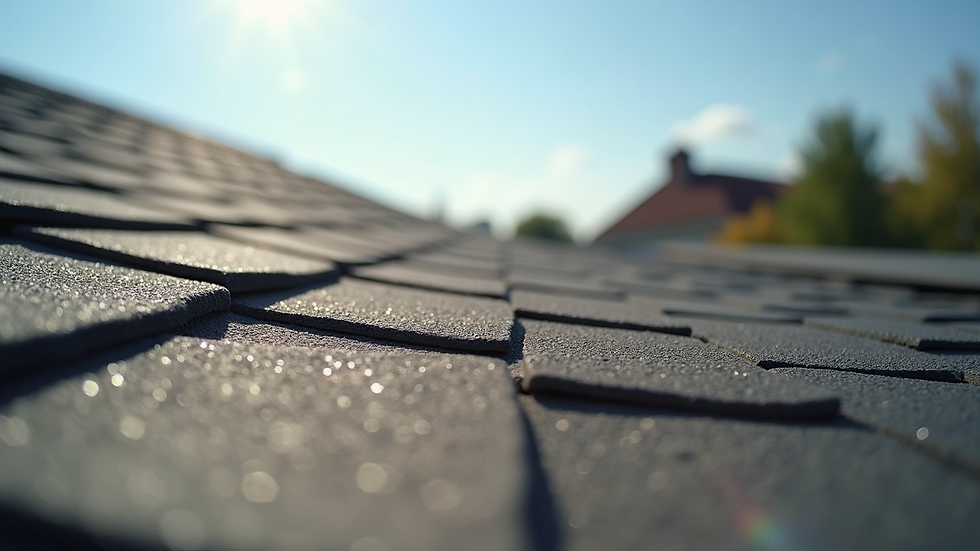
Inspect Your Roof Regularly
Regular inspections are the foundation of good roof maintenance. Aim to check your roof at least twice a year—once in spring and once in fall. Also inspect after major storms or heavy winds.
Look for:
Missing, cracked, or curling shingles
Loose or damaged flashing around chimneys and vents
Signs of moss, algae, or mold growth
Debris buildup such as leaves or branches
Sagging or uneven areas that may indicate structural issues
Use binoculars for a close look if climbing on the roof is unsafe. If you spot damage, schedule repairs promptly to avoid leaks.
Keep Gutters Clean and Functional
Clogged gutters cause water to back up and pool on your roof, increasing the risk of leaks and rot. Clean gutters at least twice a year, removing leaves, twigs, and dirt.
Check that gutters slope correctly to direct water away from your home’s foundation. Consider installing gutter guards to reduce debris buildup and make cleaning easier.
Trim Overhanging Tree Branches
Trees near your home can damage your roof in several ways. Branches rubbing against shingles wear them down, while falling limbs can cause immediate damage. Leaves and needles also accumulate on your roof and in gutters, trapping moisture.
Trim branches at least 10 feet away from your roof to prevent damage and reduce debris. This also improves sunlight exposure, which helps keep your roof dry and free of moss.
Remove Moss and Algae Growth
Moss and algae thrive in damp, shaded areas and can cause shingles to deteriorate. Use a soft brush or broom to gently remove moss. Avoid pressure washing, which can damage roofing materials.
For persistent growth, apply a moss-killing solution designed for roofs. Zinc or copper strips installed near the roof ridge can also prevent moss by releasing small amounts of metal ions when it rains.
Check Attic Ventilation and Insulation
Proper attic ventilation and insulation help regulate temperature and moisture levels under your roof. Poor ventilation traps heat and moisture, which can warp shingles and cause mold.
Inspect attic vents to ensure they are clear of obstructions. Add insulation if needed to maintain a consistent temperature and reduce ice dams in winter.
Repair Leaks and Damaged Areas Quickly
If you notice water stains on ceilings or walls, investigate the roof immediately. Small leaks can quickly become major problems if left untreated.
Common repair tasks include:
Replacing damaged shingles
Sealing cracks around vents and chimneys
Fixing flashing that has pulled away
Patching holes or gaps in roofing material
Hiring a professional roofer for repairs ensures the job is done safely and correctly.
Maintain Roof Flashing and Sealants
Flashing is the metal or rubber material that seals joints and edges on your roof. Over time, flashing can corrode, crack, or pull loose, allowing water to seep in.
Inspect flashing around chimneys, skylights, vents, and valleys. Replace or reseal damaged flashing to maintain a watertight roof.
Avoid Walking on Your Roof
Walking on your roof can cause damage, especially on older or fragile materials. If you need to access the roof, use proper safety equipment and walk carefully on sturdy areas.
For routine inspections or cleaning, consider hiring a professional to avoid accidental damage.
Schedule Professional Roof Inspections
Even with regular homeowner checks, a professional roofer can spot hidden issues and provide expert advice. Schedule a professional inspection every few years or if you suspect problems.
Professionals use specialized tools to detect leaks, structural damage, and wear that may not be visible from the ground.
Prepare Your Roof for Seasonal Changes
Different seasons bring unique challenges for your roof:
Winter: Clear snow buildup to prevent ice dams. Ensure gutters and downspouts are free of ice.
Spring: Remove debris from winter storms. Check for damage caused by freezing and thawing.
Summer: Inspect for sun damage and cracked shingles. Trim trees to reduce shade and moisture.
Fall: Clean gutters and remove leaves. Check flashing and sealants before winter rains.
Planning ahead helps your roof withstand seasonal weather and reduces emergency repairs.
Maintaining your roof is a manageable task that protects your home’s value and comfort. By inspecting regularly, keeping gutters clean, trimming trees, and addressing issues quickly, you can extend your roof’s life and avoid costly damage.
Start with a thorough inspection today and create a maintenance schedule that fits your home’s needs. If you notice anything unusual or feel unsure about repairs, consult a roofing professional for guidance.
Your roof is your home’s first line of defense—treat it with care to keep your family safe and dry for years to come.


Comments